Released Jan 2023

Record sheet · No. 002
PhotoAI
One person, a model pipeline, and a business that out-earned the portfolio around it.
Project mark, taken from photoai.com on 2026-10-01.

What it is
Generated avatar and photoshoot product built as one of a dozen bets. It won because the founder shipped fast, priced immediately, and kept the whole stack small enough to operate alone.
Who built it
Pieter Levels is a Dutch developer who has worked alone since 2013 — no employees, no funding, and a public index of his own projects that lists 115 entries and marks 19 of them as failures. Photo AI sits in that portfolio alongside Nomads.com, Remote OK, Hoodmaps and Interior AI, and he publishes its numbers himself: $105,000 in monthly revenue and $80,000 in monthly profit as of March 2026. He credits the photo-studio idea to Danny Postma, and credits Marc Kohlbrugge with pushing him to launch.
Build log
2 stages- 01
Ship the ugly version
The first release was a form and a queue. Quality improved from paying-customer feedback, not from a longer build phase.
- 02
Treating GPU cost as the real product constraint
Margin is set by inference cost. Most of the product work was queue management and cost control, not interface.
What they would tell you
- In generative products, unit economics are a feature.
- A portfolio of small bets beats one large bet when the tech is moving.
Adjacent records
All records →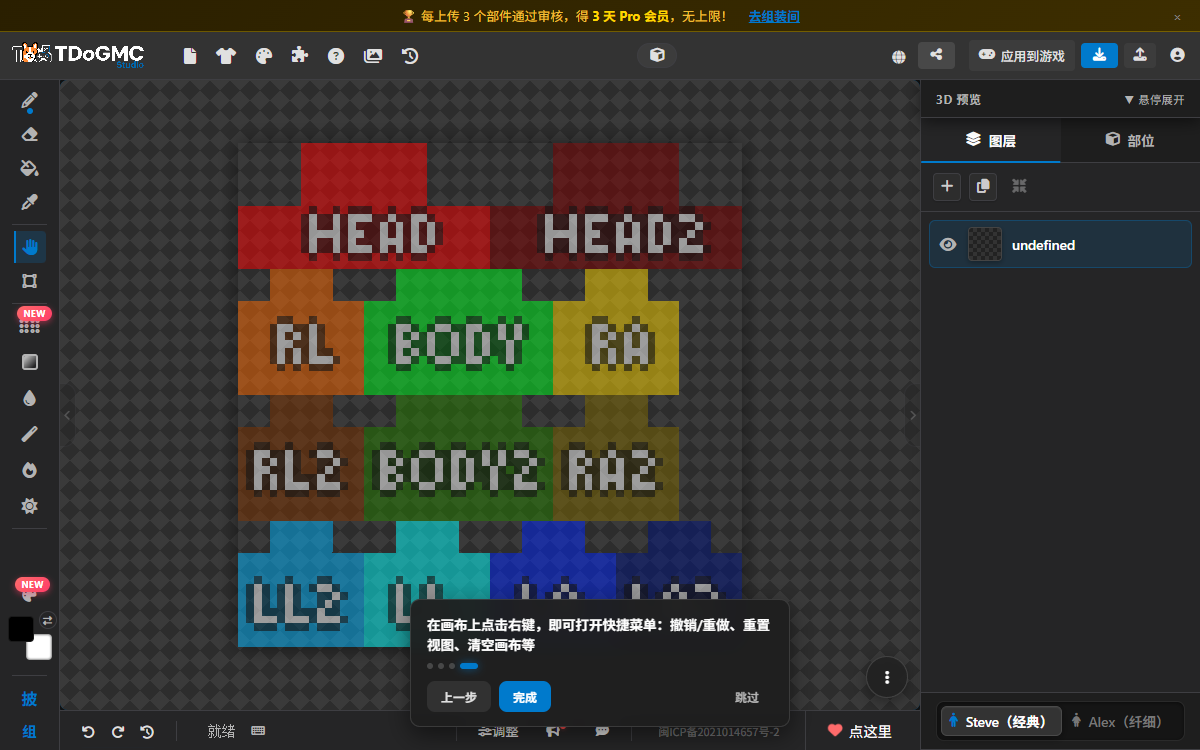
No. 030
TDoGMC Studio
A Minecraft skin editor that runs in the browser: 2D pixel layers on the left, a live 3D model on the right.
No. 140
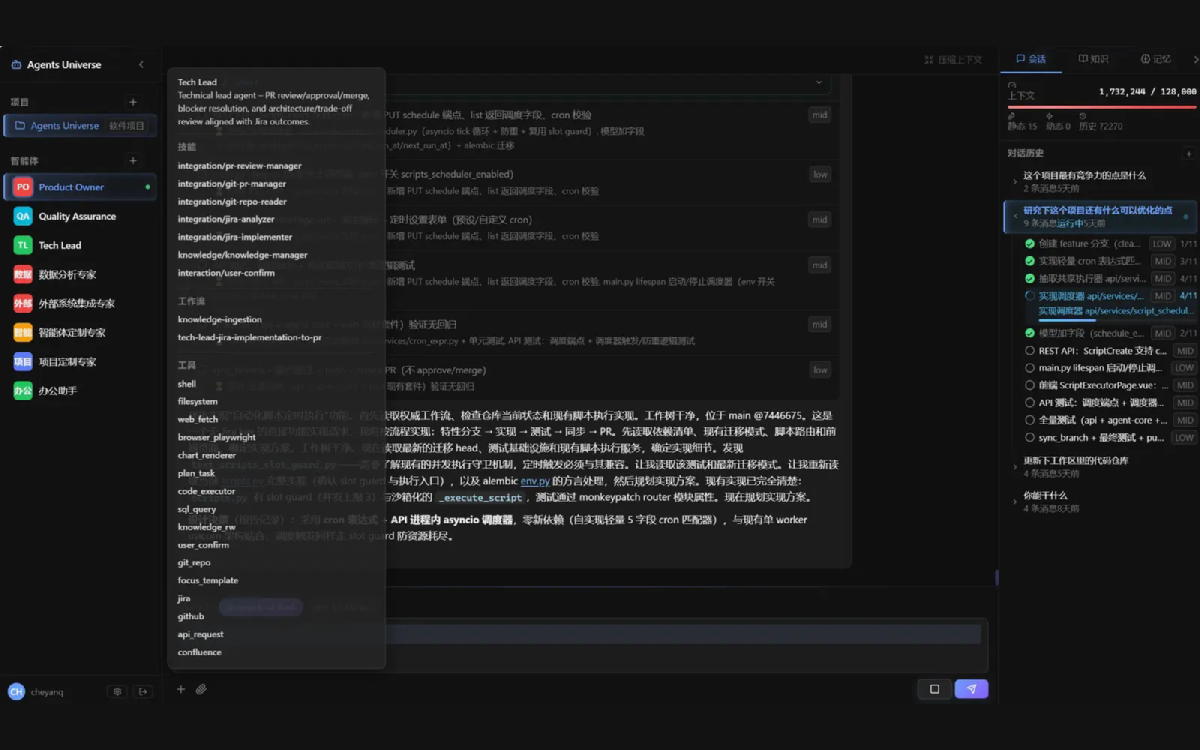
Agents Universe
An open-source agent platform that keeps one project context shared by everyone working in it. Agents read the whole knowledge base when a project is opened and write what they learn back into the same files while they work; knowledge is Markdown on disk with a database index behind it, and there is no embedding model or vector search.
No. 130
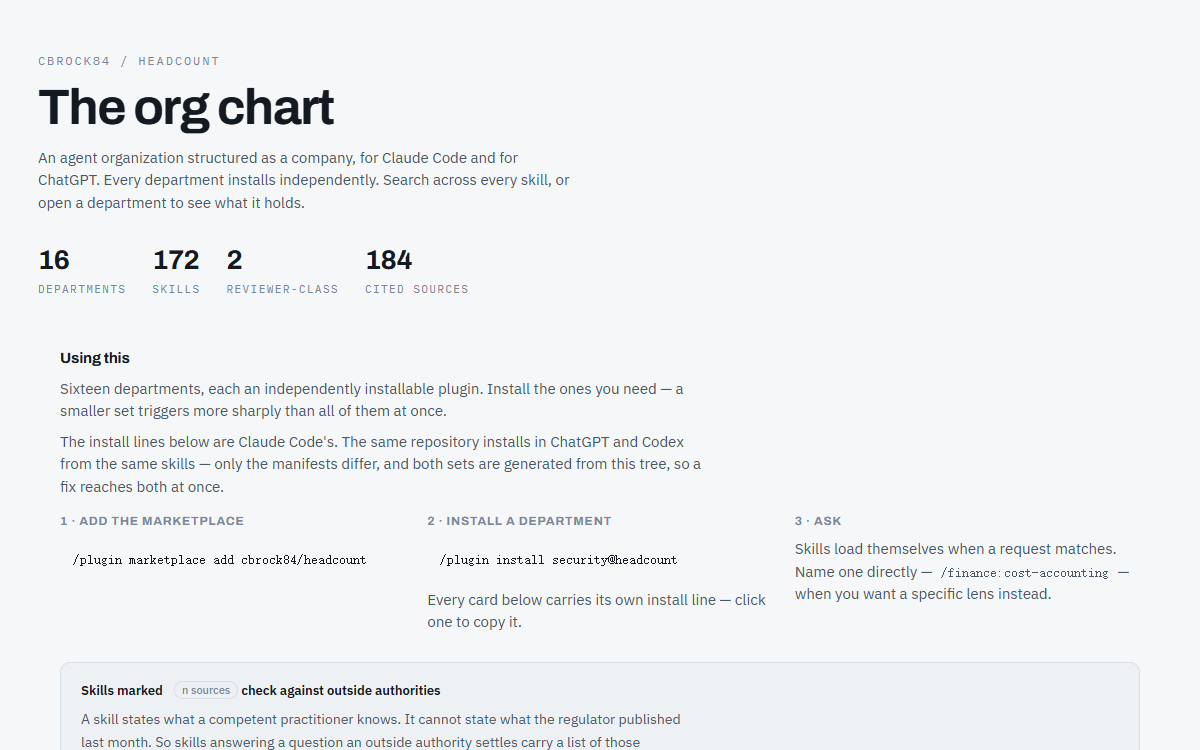
headcount
An agent organization shaped like a company: a chief executive over sixteen independently installable departments and 172 skills, where a skill is a folder of Markdown that loads itself when a request matches its description, one tree installs in both Claude Code and ChatGPT because only the manifests differ, and the 184 outside authorities that settle a question rather than decorate an answer (a regulator, a standards body, primary law) sit in a catalog beside the skills they answer for, each labeled with what an agent may do with it.